


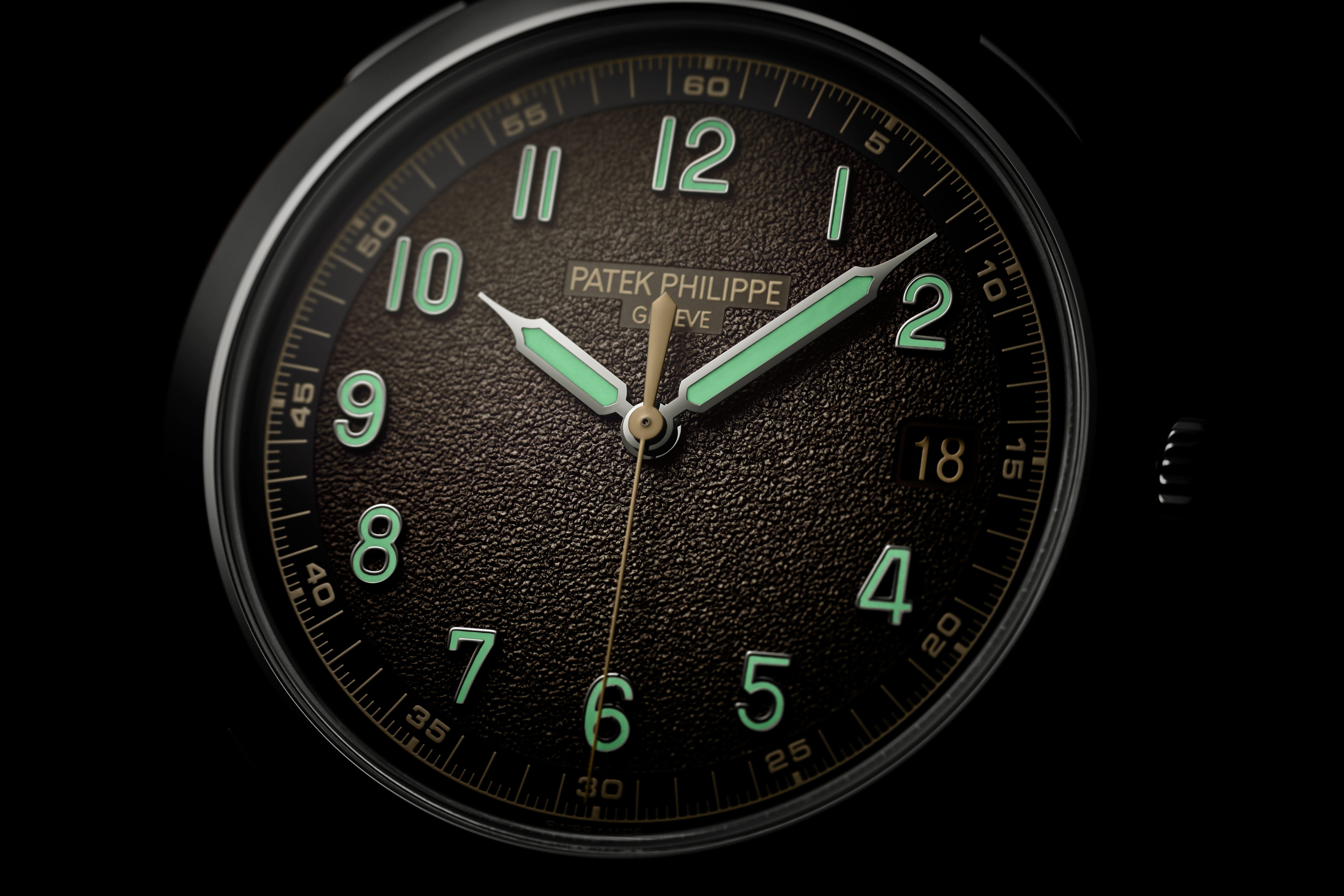
Every watch tells time. A Patek Philippe tells you who owns the time.
The family that owns the house also sets the clock. No board of shareholders votes on which complications get funded. No quarterly report determines whether a movement takes nine months or two years to finish. No conglomerate folds your name into a portfolio beside fragrances and handbags. Patek Philippe has operated on this principle since 1839. Not because independence is romantic. Because it is the only condition under which the work can be done correctly.
That sentence is not philosophy. It is production logic. When a single house controls the design, the movement, the case, the dial, the finishing, the testing, the service, and the standard by which all of those are judged, it answers to one thing: the work. When a house belongs to a conglomerate, it answers to a calendar. The distinction produces two entirely different objects. Patek Philippe chose its object in the nineteenth century and has not reconsidered since.
Antoine Norbert de Patek was not a watchmaker. He was a Polish exile, a veteran of the November Uprising of 1830, a man who left Russian-occupied Warsaw during the Great Emigration and reached Geneva in the early 1830s with political convictions and commercial instincts. Geneva was known across Europe for its liberal spirit and its watchmaking tradition. Patek carried both interests.
On May 1, 1839, he founded Patek, Czapek & Cie with Franciszek Czapek at 29 Quai des Bergues, on the right bank of the Rhône.1 They made pocket watches for displaced Polish nobles. The cases were beautiful. The movements were borrowed.
The partnership lasted six years. It ended in disagreement. What followed was the encounter that built the house.
In 1844, Patek attended the Industrial Exposition in Paris. There he met Jean Adrien Philippe, a French watchmaker from La Bazoche-Gouët who had solved a problem that had outlasted two and a half centuries of horology: how to wind and set a watch without a key. Philippe built his stem-winding mechanism in 1842. It won a bronze medal in Paris. Patek saw it and understood. Not the engineering alone. The future.
The key was the oldest limitation in portable timekeeping. Every pocket watch required one. Lose the key and the watch stopped. Philippe’s invention eliminated external dependence. The watch became self-sufficient. It is worth pausing on this, because the metaphor is not accidental. The entire history of Patek Philippe is the story of removing the key. Every decision the house has made since 1845 has been a variation on the same act: eliminating dependence on something outside the case.
“Adrien, take care of your health, come quickly and I will shake your hand.” Letter from Patek to Philippe, 1845
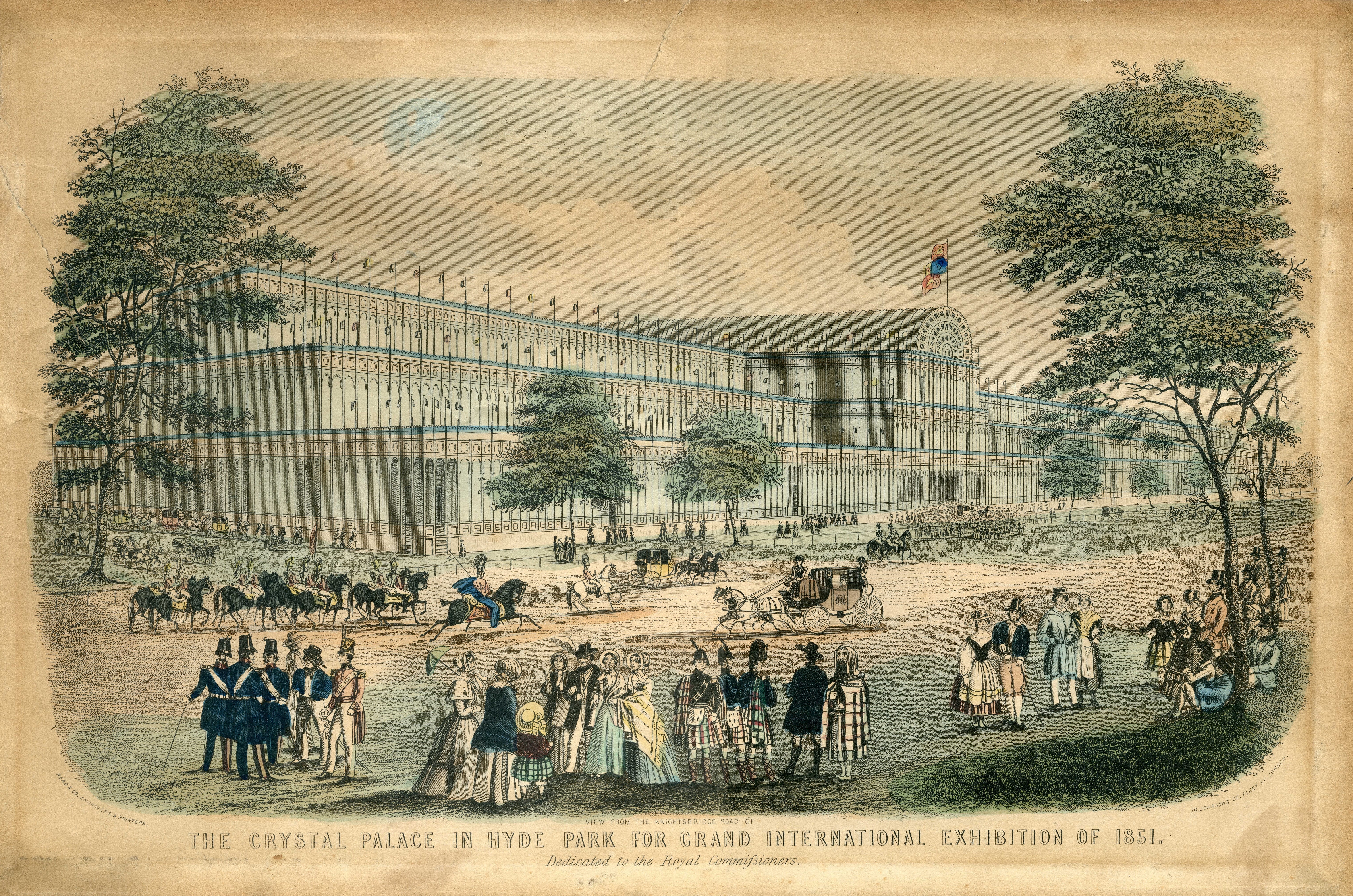
Philippe arrived in Geneva on May 15, 1845. By 1851, the firm bore both names: Patek, Philippe & Cie. That year, they exhibited at the Great Exhibition in London, inside the Crystal Palace at Hyde Park. Queen Victoria purchased a pendant watch: azure blue enamel, rose-cut diamonds arranged in the pattern of a bouquet. Prince Albert received a quarter-repeating hunting-cased chronometer. The firm won a gold medal.
The world noticed. But notice is not what Patek was building. He was building a house that could outlast its founders. The gold medal confirmed the work. It did not define it. The difference between those two facts is the difference between Patek Philippe and most of what came after.
That same year, Patek crossed the Atlantic. In New York, he met Charles Lewis Tiffany. The partnership between Patek Philippe and Tiffany & Co. still holds. It is the only American retailer authorized to produce co-branded dials. One hundred and seventy-five years. Same handshake. In an industry defined by acquisitions, mergers, and brand consolidation, that continuity is not sentimental. It is structural. Two houses that have never been absorbed recognizing in each other the same refusal.
What Patek and Philippe understood, before the language existed to describe it, was vertical integration. Not as a manufacturing strategy. As a philosophy. If you control the movement, you control the tolerance. If you control the tolerance, you control the time. If you control the time, you answer to no one.
Between 1868 and 1932, the house produced the first Swiss wristwatch, made for Countess Koscowicz of Hungary. The first perpetual calendar wristwatch. The first Calatrava, Reference 96, drawn from the geometry of the Bauhaus and named for the cross that had served as the company emblem since 1887.2 Each was a declaration in the same language. Independence is not an idea. It is a practice. It is proved not in mission statements but in movements.
That last year, 1932, was also the year the house almost ended.
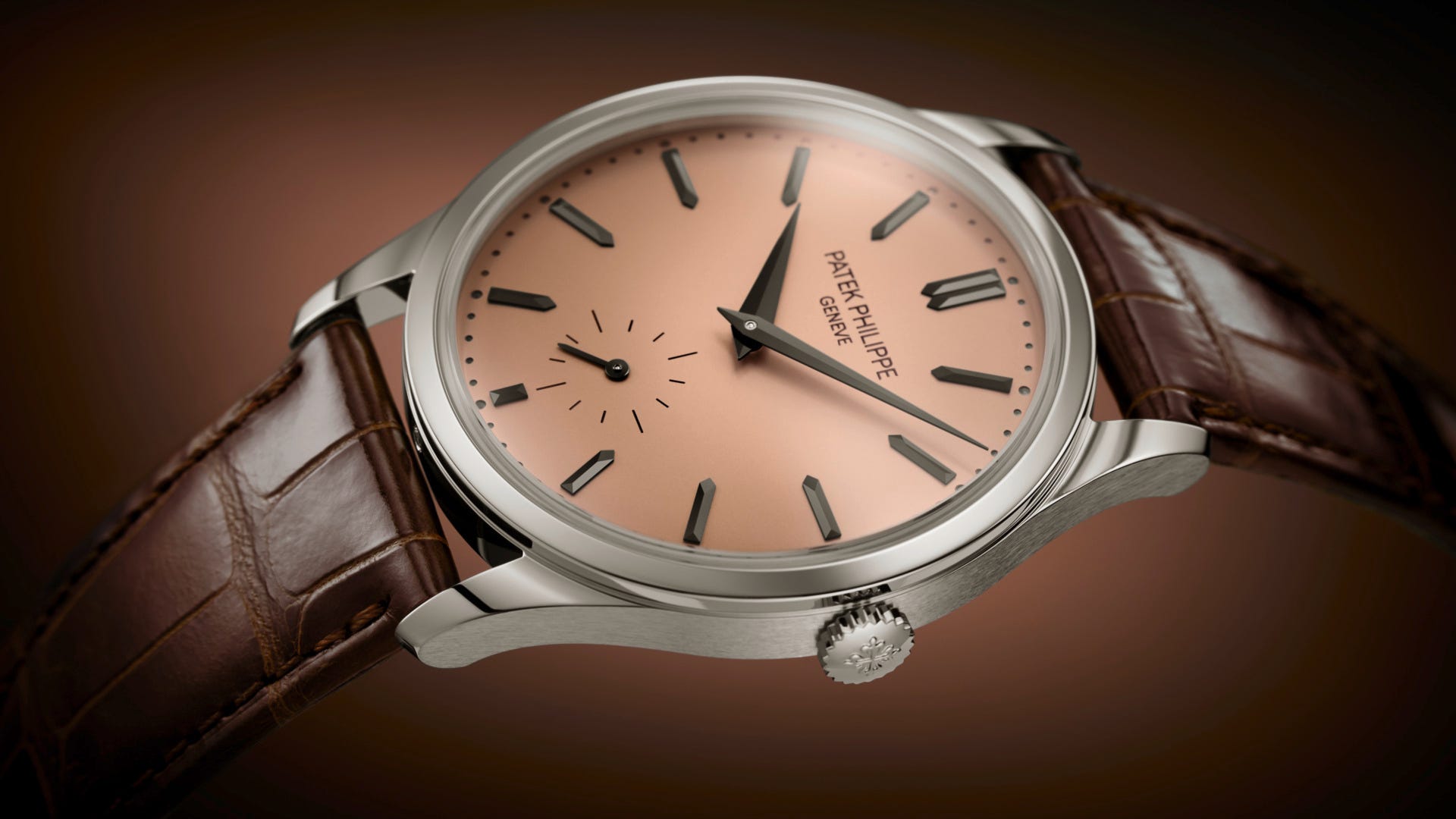
The Great Depression reached Geneva. Patek Philippe faced collapse. Charles and Jean Stern were not strangers to the house. They owned Fabrique de Cadrans Stern Frères, the firm that supplied its dials. They knew the movements. They knew the margins. They knew the finishing standards. And they knew what would happen if Patek Philippe fell into the hands of someone who saw it as an acquisition rather than a responsibility.
They bought the house. Not to flip it. Not to strip it. To continue it.
This is the decision that defines everything that followed. A dial-maker chose to become a guardian. Not a shareholder. Not a chairman. A guardian. The distinction matters because it determines what happens when the market pressures the house to produce more, to license the name, to sell. A shareholder calculates. A guardian refuses.
Four generations later, Thierry Stern runs the manufacture. The family has never sold. The company has never gone public. Every movement is still finished by hand. The simplest models take nine months. The most complicated take two years. Annual production holds near 62,000 pieces. Demand has never once caught supply.
"If I sell Patek Philippe to a group, I can sell it for billions. But then I am going to kill Patek Philippe in less than five years." Thierry Stern, Bloomberg, 2023
That sentence is not posture. It is arithmetic. In an industry where every major competitor now belongs to a conglomerate (Swatch Group, LVMH, Richemont, Kering), Patek Philippe belongs to the Sterns. The distance between the person who decides what gets made and the person who makes it is one hallway in Plan-les-Ouates. That distance is the entire point.
Every minute repeater that leaves the Patek Philippe workshops is personally listened to and approved by Thierry Stern. If a watch is completed while he is traveling, it waits. His father did the same. His grandfather before that. He rejects roughly thirty percent of what he hears. Sometimes in twenty seconds. Three generations of one family, listening to the same gongs, holding the same standard. No committee. No delegation. One ear.
This is what independence sounds like in practice. Not a press release. Not a tagline. A man in a room, listening to a watch, deciding whether the gong is worthy of the name on the dial. And if it is not, the watch goes back. There is no appeals process. There is no second opinion. There is the ear and there is the standard, and they have been the same ear and the same standard for three generations.
"Three generations, one ear."
In 2009, Patek Philippe made a decision that the rest of the industry is still processing. After 122 years of carrying the Geneva Seal, the Poinçon de Genève, the house abandoned it. Not because the seal was meaningless. Because it was insufficient.
The Geneva Seal certified movements. It evaluated finishing and geographic origin. It did not test the performance of the cased watch. It did not evaluate the dial, the hands, the pushers, the case, the spring bars. It did not hold the watchmaker accountable for accuracy after assembly. Patek Philippe requested stricter criteria. The request was declined. So the house built its own standard.
The Patek Philippe Seal covers the entire watch, not just the movement. It mandates a rate accuracy of minus one to plus two seconds per day, stricter than COSC chronometer certification. It governs the finishing of every visible and invisible surface: plates and bridges chamfered with mirror-polished edges, visible sides Geneva-striped, inner sides circular-grained. And it includes something no other seal in the industry offers: a lifetime service guarantee. Patek Philippe pledges to service, repair, or restore any watch it has ever produced. Since 1839.3
That is not a warranty. That is a covenant. It means a pocket watch made for a Polish exile in the 1840s can still be sent to Geneva and returned in working order. The house that made it will always be there to maintain it. Because the house has not been sold. Because the family has not left.
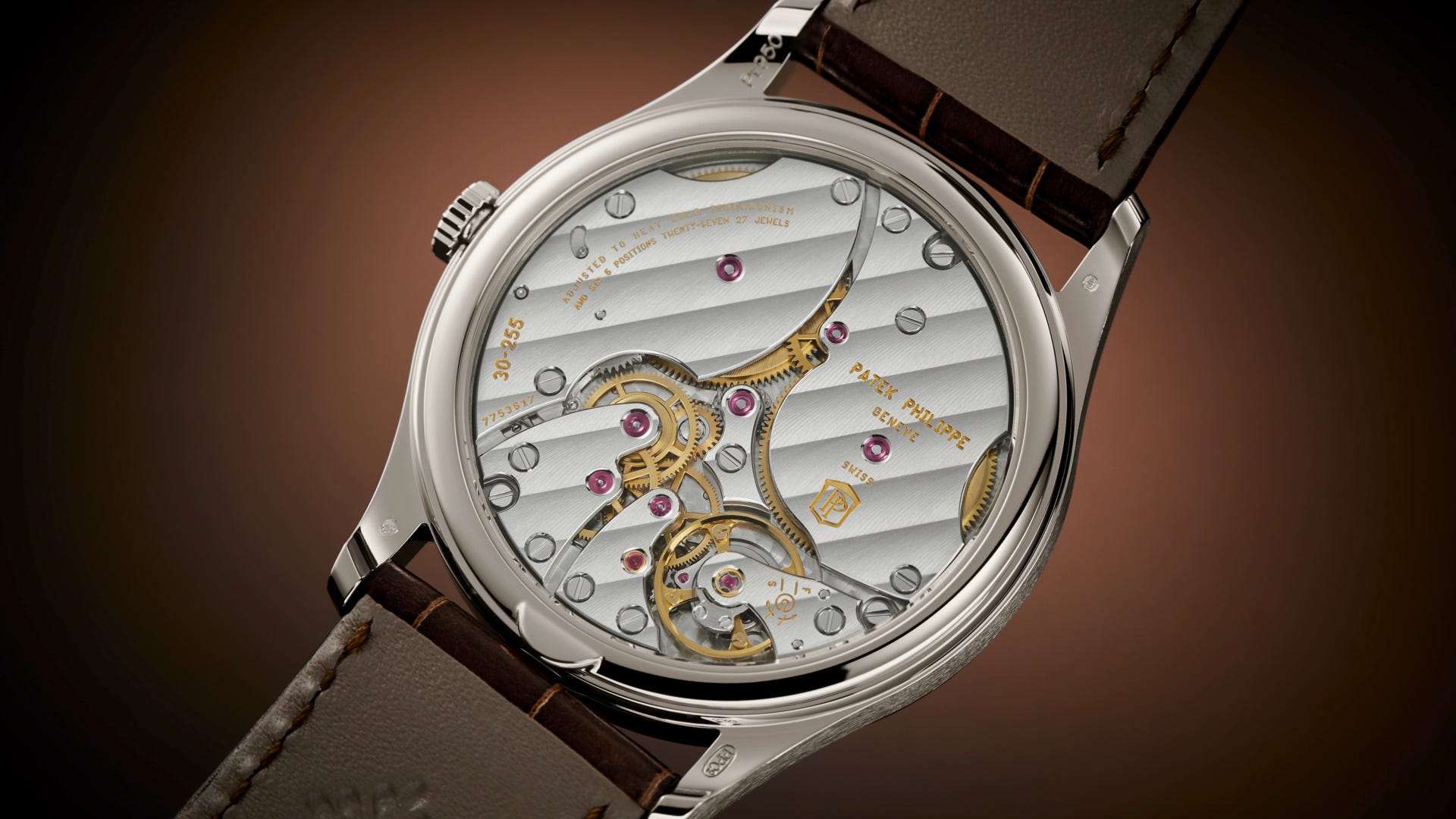
In 1996, the manufacture consolidated in Plan-les-Ouates, on the outskirts of Geneva. In 2020, Thierry Stern completed PP6: a ten-story facility, four floors subterranean, 133,000 square meters, built at a cost of roughly $600 million. It was not designed to increase volume. Production remains naturally capped by the standards of the Seal. It was designed to bring every operation under one roof. Movement production, case-making, gem-setting, hand-finishing, Rare Handcrafts, training. One building. One family. One unbroken chain of custody from raw metal to finished watch.
The physical form of a philosophical argument.


There is a museum in Geneva, on Rue des Vieux-Grenadiers, that Philippe Stern opened in 2001. It holds 2,500 pieces and over 8,000 publications on the history of portable timekeeping. Queen Victoria’s pendant watch is there. So is Caliber 89, completed in 1989 for the 150th anniversary: 33 complications, 1,728 components, four dials. It held the record for the most complicated portable timepiece for decades.
But the museum is not the point. The museum is evidence. The point is the sentence the company wrote in 1996 and has never revised: you never actually own a Patek Philippe. You merely look after it for the next generation.
Most advertising flatters. That line states a condition. The watch will outlast you. The question is whether you are serious enough to carry it.


“The key was never lost. It was never needed.”
Patek Philippe did not invent the wristwatch. It did not invent the minute repeater or the tourbillon. What it did was harder. It built a house where every complication, every finish, every decimal of tolerance exists under one roof, one family, one unbroken line from 1839 to now. No consortium. No conglomerate. No interruption.
The key that Jean Adrien Philippe removed from the watch in 1842 was mechanical. The key that the Stern family has kept since 1932 is structural. Both solved the same problem. Both eliminated dependence on something outside the case.
One hundred and eighty-seven years. The same river. The same conviction.
The key was never lost. It was never needed.
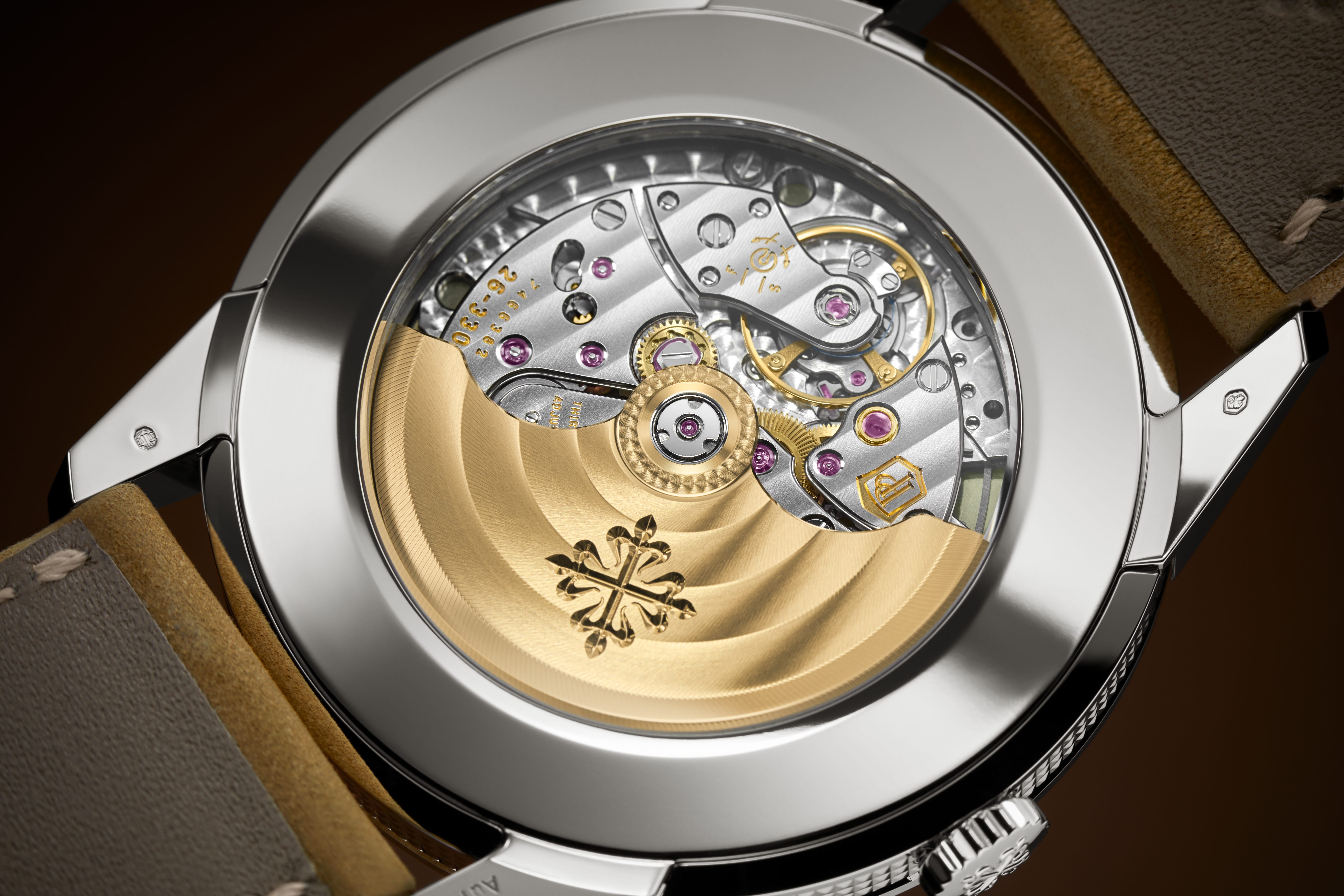
Image credits: Patek Philippe SA, Patek Philippe Museum, Geneva
Higher Class Editions Venustas Ante Omnia
Czapek departed in 1845 and founded Czapek & Cie with a new partner. The house still operates today as an independent Swiss watchmaker, revived in 2012.
The Calatrava Cross became Patek Philippe's registered emblem in 1887, named for the medieval Spanish order of Calatrava. It appears on the crown of every watch and the rotor of every automatic movement.
In 2009, Patek Philippe replaced the Geneva Seal with its proprietary Patek Philippe Seal after 122 years. The Seal is the only certification in the Swiss watch industry that includes a lifetime service guarantee covering every watch the house has ever produced.