Biltmore House
A Private Estate for a Public Legacy

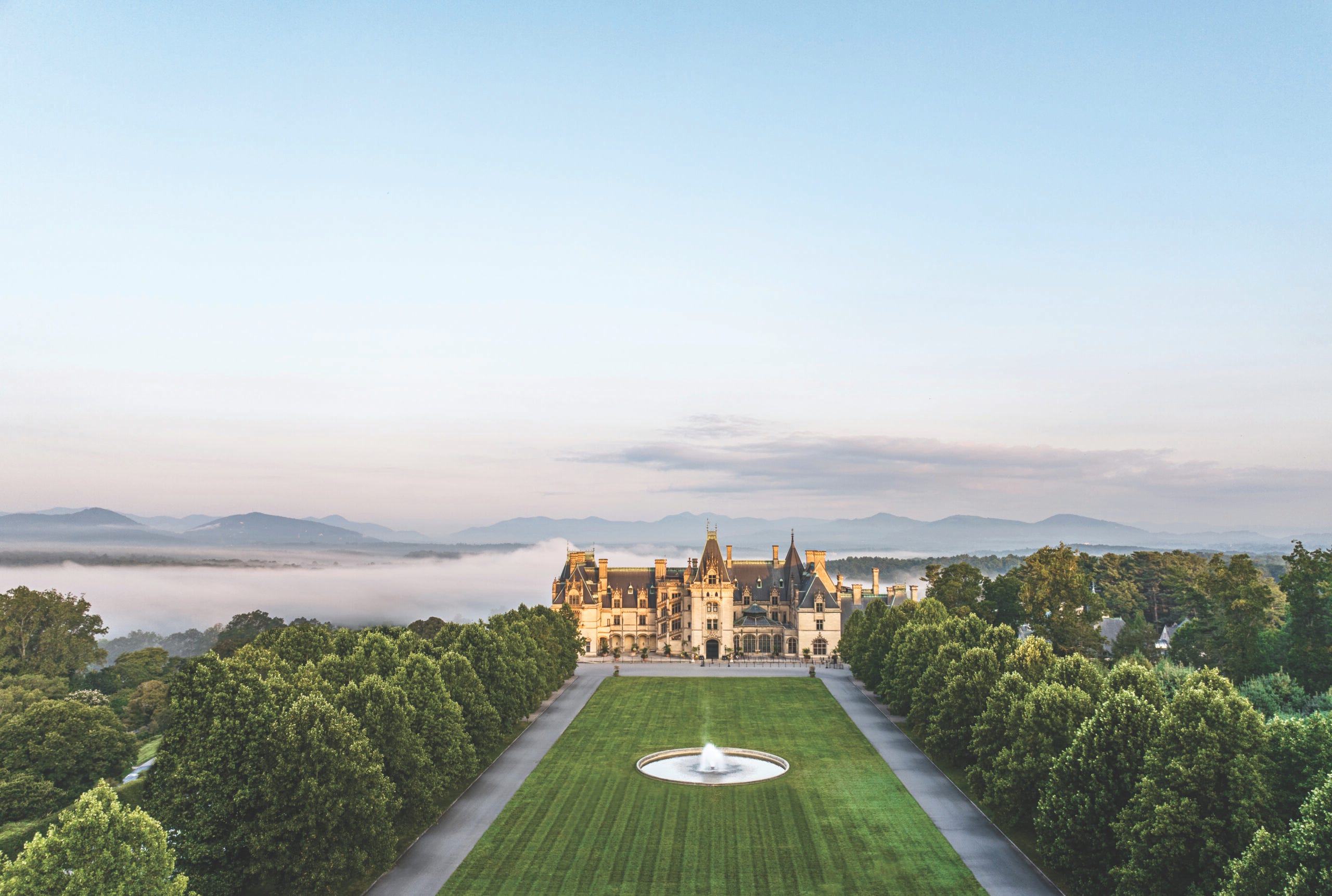
At the height of America’s Gilded Age, industry had already proven its power. What remained uncertain was whether that power could mature into culture.
In 1889, George Washington Vanderbilt II began construction of Biltmore as a private country estate. It was built for himself, for his future wife Edith Stuyvesant Dresser, and for a way of life centered on study, hospitality, and cultivated retreat. Vanderbilt was not a railroad baron in the operational sense. He was an intellectual heir. A collector of books, art, and European experience.
Biltmore was created as a seasonal residence. A place for extended stays, scholarly conversation, music, and curated gatherings rather than political theater. It was conceived as an American estate in the classical sense of the word: land, house, and stewardship operating as one organism.
It was not a palace for spectacle. It was a laboratory for legacy.
I. Inspiration Across the Atlantic
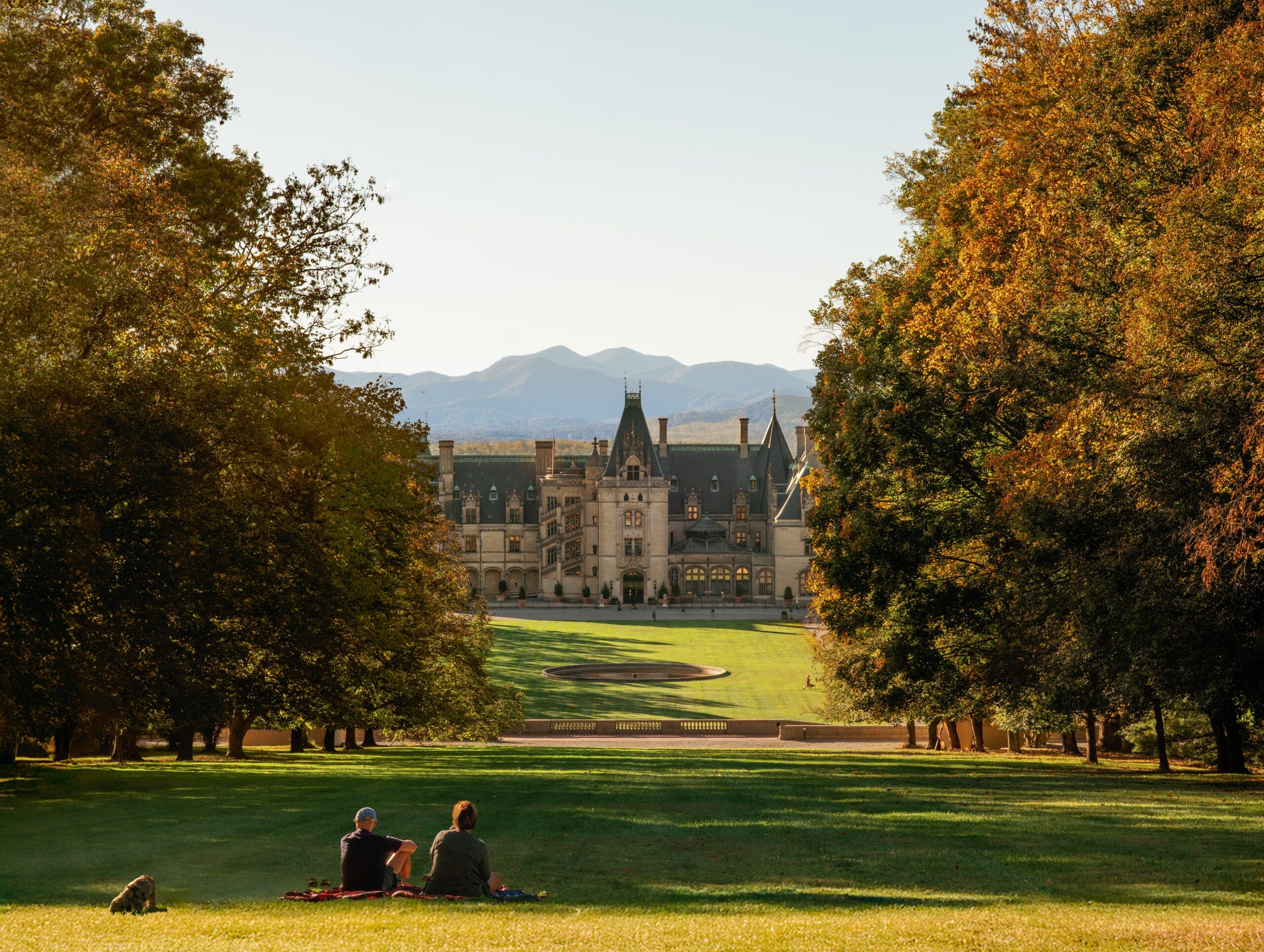
Vanderbilt traveled extensively through Europe, particularly France. The great Renaissance châteaux of the Loire Valley left a decisive imprint on his imagination, especially estates such as Château de Blois and Château de Chambord.
To translate that vision into American soil, he commissioned architect Richard Morris Hunt, the first American trained at the École des Beaux-Arts in Paris. Hunt understood European grammar. Steeply pitched roofs, limestone façades, elaborate ornament, and disciplined symmetry were not decorative choices. They were cultural references.
Biltmore became the largest domestic expression of French Renaissance architecture in the United States. It did not attempt medieval defensiveness. It embraced openness, light, and proportion.
Through architecture, Vanderbilt aligned new American wealth with old European continuity.
II. Built for Living, Not Display


Completed in 1895, the estate contained 250 rooms, including a two-story library housing over 10,000 volumes, music rooms for recitals, guest suites for extended visits, and a banquet hall designed for formal gatherings.
This was not a residence intended for brief social seasons. Guests stayed for weeks. Conversations unfolded slowly. Art and literature were not accessories. They were the center of gravity.
Refinement was operational.
The house was also technologically advanced for its time, incorporating central heating, elevators, and innovative plumbing systems. Progress and tradition coexisted without contradiction.
III. Land as Philosophy
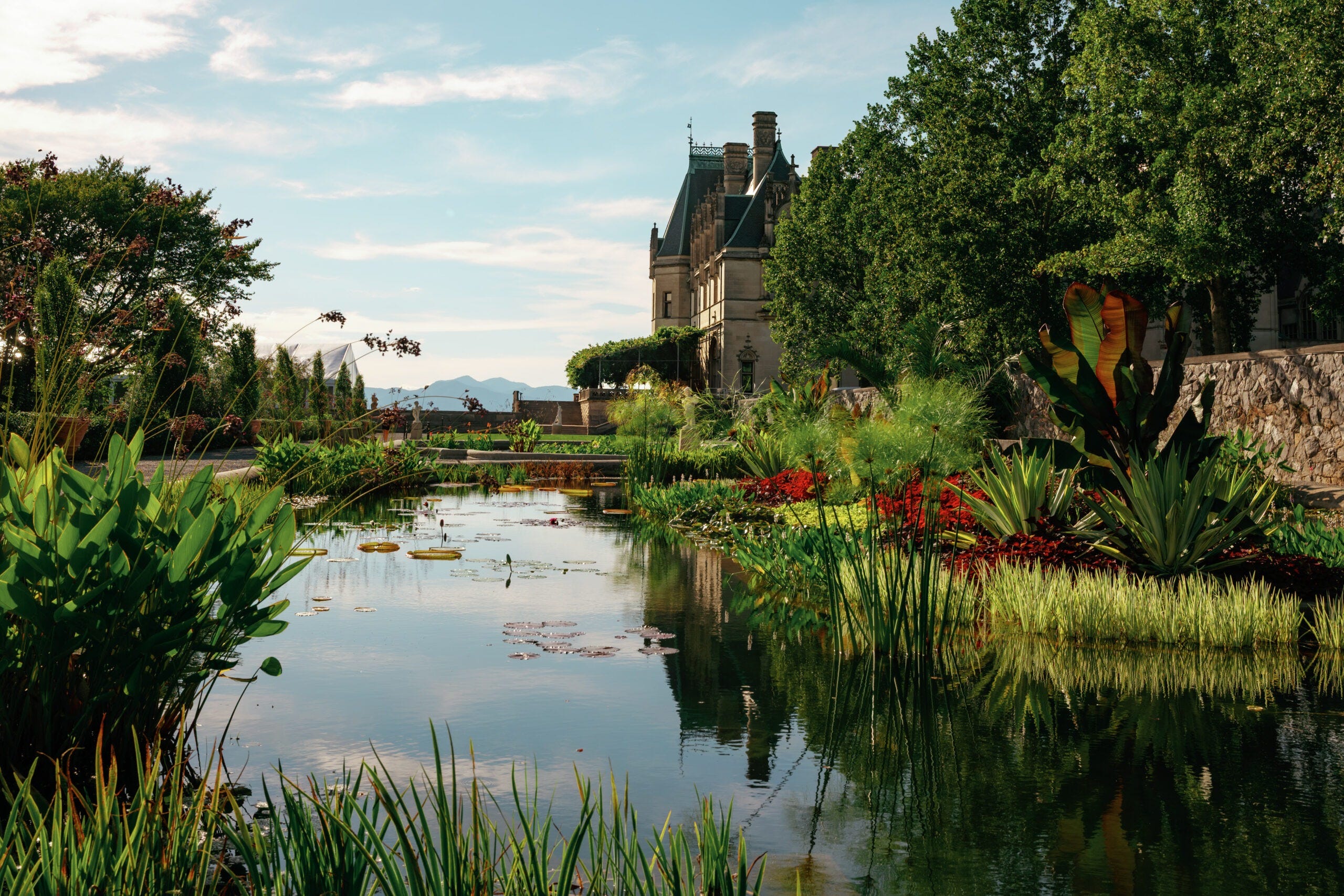
The surrounding 125,000 acres were shaped by landscape architect Frederick Law Olmsted. Meadows were framed, forests managed, gardens structured with mathematical restraint. Olmsted approached the estate as an integrated ecosystem.
Biltmore was not designed to dominate nature. It was designed to steward it.


Forestry programs implemented on the property would later influence conservation practices across the United States. The estate functioned as both cultural retreat and environmental experiment.
Heritage here extended beyond stone walls. It included soil, timber, and horizon.
IV. The Evolution of Legacy


Following the financial pressures of the early twentieth century, Biltmore adapted. In 1930, during the Great Depression, it opened to the public. Agriculture, hospitality, and later winemaking ensured sustainability without dissolving identity.
Many estates of the era vanished. Biltmore recalibrated.
Legacy is not preserved through rigidity. It survives through intelligent evolution.
V. Why Biltmore Matters
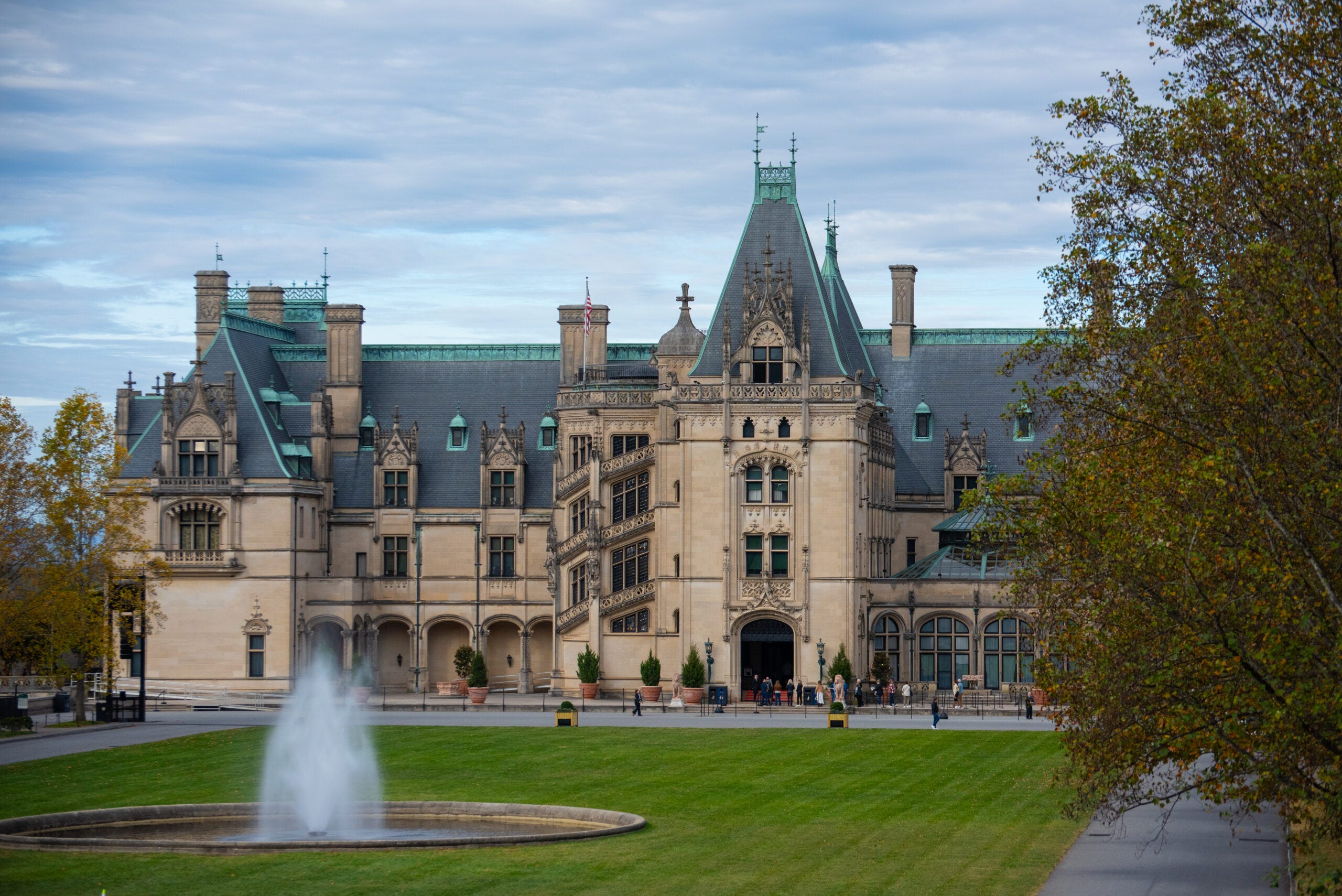
Biltmore House was created to anchor a family within history. It was built for George Vanderbilt’s private life, inspired by European aristocratic estates, executed with Beaux-Arts discipline, and expanded into a model of stewardship.
It represents a singular American ambition: to convert industrial wealth into cultivated permanence.
Not noise.
Not excess.
Heritage structured in limestone.
Refinement practiced daily.
Legacy engineered with intention.
To endure is the highest form of luxury.
Image Credits: Courtesy of The Biltmore Company
All rights reserved.